
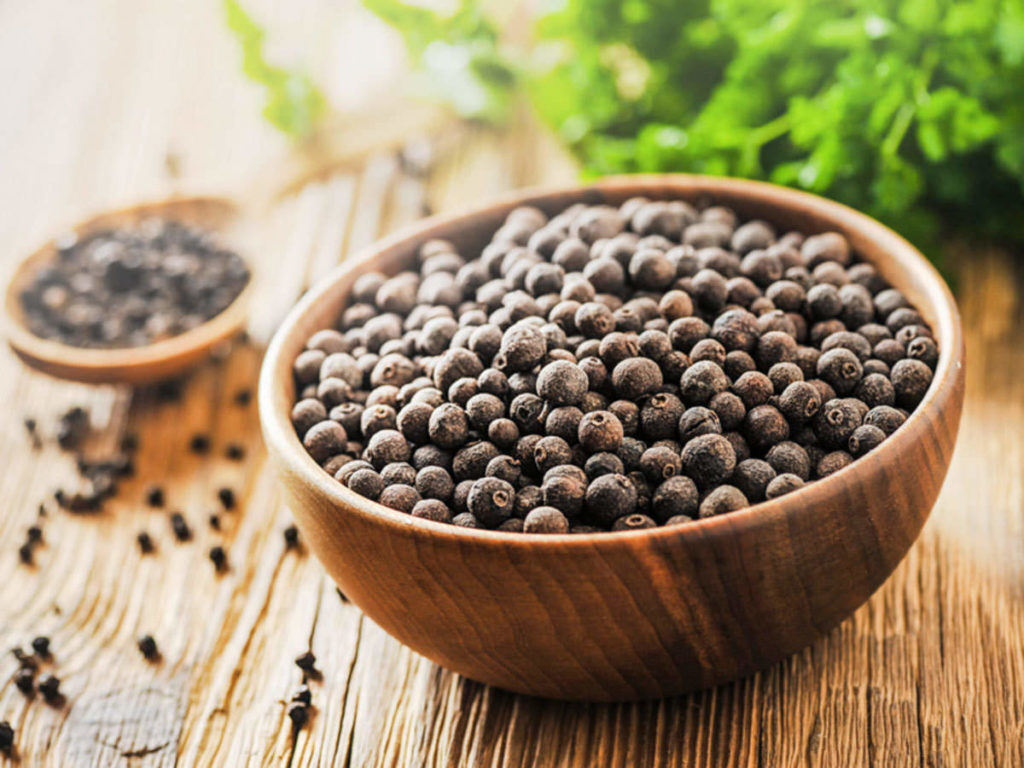
Pepper, also known as pepper, is not only a spice used in cooking but also a very good medicine for the body. However, not everyone knows whether eating pepper is good or not and what effects pepper has? Let’s find out about this issue with Long Chau Pharmacy through the content below.
What are the characteristics of pepper?
Pepper is a spicy, warm spice that is commonly used to create a fragrant, spicy taste for many dishes. In addition, pepper is also considered an oriental medicine that has the effect of eliminating cold, stomachache, and cold stomach.
Pepper belongs to the climbing family, lives for many years, the stem often grows on the stem of another tree or on pre-built pillars. The leaves of the pepper tree are similar to the leaves of the betel tree but longer and thinner. Pepper fruit is spherical, the seeds are tiny, each cluster of pepper usually has more than 20 to 30 fruits. After picking, the pepper is dried directly in the sun or dried in a dryer so that the skin becomes firmer. After drying, the pepper will be black.
What are the effects of using pepper?
Pepper contains a number of ingredients such as vitamin C, fat, essential oils and alkaloids,… These substances bring some of the following effects:
Effects on the digestive system: Use pepper to stimulate appetite, limit picky eating and anorexia, increase the absorption of nutrients in food. Help the stomach promote the digestive process, limit indigestion, bloating, flatulence or stomach discomfort.
Helps fight bacteria: Pepper has antibacterial effects, prevents infections in the respiratory tract, problems related to teeth and mouth such as tooth decay, gingivitis,…
Good for the nervous system: Eating pepper will help improve mood, reduce conditions such as stress, fatigue,… because pepper contains substances that increase the production of serotonin in the body.
Maintain body shape, lose weight: The substances in peppercorn shells have the role of eliminating excess calories, increasing the excretion of sweat and water through the urinary tract.
Therefore, using a little peppercorn shell before exercising will effectively eliminate excess fat. According to traditional medicine, peppercorns have a spicy taste and warm properties, so they have antibacterial, pain-relieving, phlegm-eliminating and cold-dispelling effects. Therefore, peppercorns are used to treat abdominal pain caused by colds, diarrhea, vomiting, coughs, etc.
Is it good to eat pepper?
Pepper is often used as a daily spice. So is it good to eat pepper? If you use pepper in moderation, it has therapeutic effects as well as being very good for your health. However, if you abuse too much pepper, some of the following side effects will occur:
Digestive disorders
Using too much pepper will lead to some intestinal problems and can trigger stomach diseases. Pepper is warm and spicy, so eating too much will stimulate the mucous membrane, increase gastric juice secretion, causing stomach pain.
Stomach burning sensation
Using too much pepper will lead to a burning sensation inside the stomach. Therefore, when using this spice, you should only use it in moderation.
Respiratory problems
Using too much pepper can irritate the throat, causing asthma and some other respiratory problems.
Causes dry skin
Many studies show that using too much pepper can cause dry and flaky skin. If you have dry skin, you should limit the use of too much pepper because it will make your skin drier.
Bad effects on pregnant and lactating women
Because pepper is hot, pregnant women should not use pepper because it can make the body uncomfortable in the first months of pregnancy. In addition, from a medical perspective, hot and spicy foods used during pregnancy will increase the risk of miscarriage if consumed in large amounts.
For breastfeeding women, eating a lot of pepper will change the taste of breast milk, causing loss of milk and affecting the baby’s digestion.
Other complications
Using too much pepper also causes some problems such as acne, increasing the risk of hemorrhoids. From a medical perspective, do not use hot and spicy foods for people with heat or yin deficiency.
Using pepper in moderation and properly will help make the dish more delicious, and will also support in the treatment and improvement of some diseases. The above article has helped you know whether eating pepper is good or not? To avoid an unwanted situation, you need to consider to ensure your health